
Adaptive Option Generation
The habit of staying dangerous to problems by keeping options alive.
Most people don’t lose because they lacked intelligence. They lose because the situation moved faster than their thinking. Adaptive Option Generation is a simple countermeasure.
It’s the mindset of continuously creating a small set of viable next moves as the environment shifts, then selecting and executing without freezing. In field work, this prevents panic. In civilian life, it prevents getting boxed in by stress, ego, or surprise.
This is not the same as planning. Plans are static. Reality is not. Adaptive Option Generation is what you do when the plan fractures, the meeting changes, the timeline compresses, the social temperature rises, or a decision lands in your lap with incomplete information. The objective is not to predict the future. The objective is to maintain freedom of action while still moving forward.
The Mindset: Keep a Live Option Queue
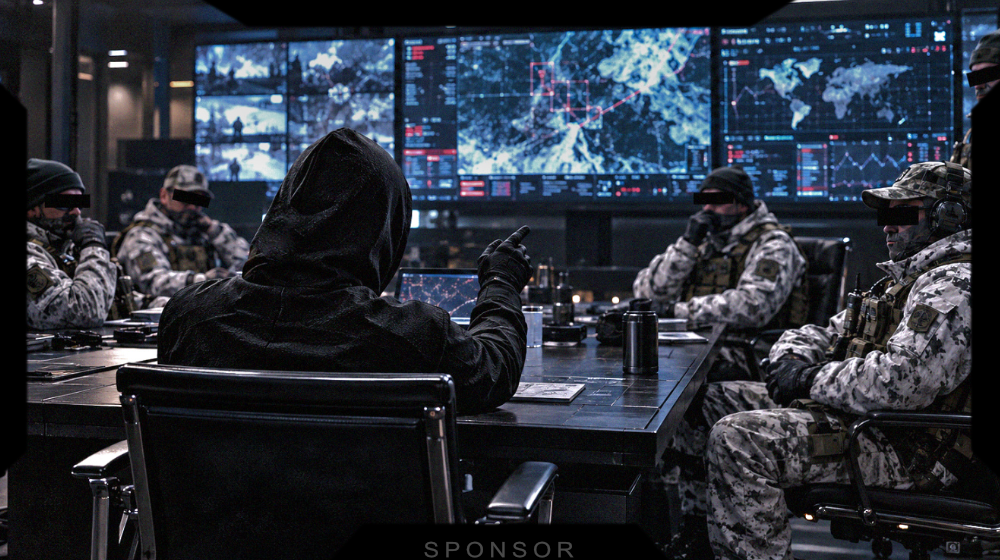
Think of your mind as maintaining a “short list” of next moves that updates in real time. Not fifty possibilities, just enough to stay mobile.
You want to walk through the day with a quiet awareness that every environment, conversation, and timeline contains usable leverage – routes, timing windows, social exits, and low-risk tests. When you build that habit, you stop feeling trapped because you can always see at least a few clean ways to proceed.
This also changes how you experience pressure. Stress narrows attention and makes people fixate on one solution. Adaptive Option Generation reverses that. It keeps your thinking wide enough to see alternatives, while still tight enough to act.
The Three Moving Parts: What is, What Could be, What’s Viable
Adaptive Option Generation runs on three loops that work together.
First is Accurate Perception: lock onto what’s real in the moment, not what you hope is true. That means reading the environment, the people in it, the limits you’re operating under, and the time you actually have, so your mental picture matches the ground truth.
Second is Option Generation: once you have the facts, you deliberately produce a few plausible next moves from where you stand. Instead of chasing cleverness, you’re building workable paths that let you advance, pause, redirect, or disengage without hesitation as conditions shift.
Third is Viability Filtering: you quickly cut any option that is unrealistic, inappropriate for the setting, or too expensive in risk, attention, or downstream consequences. The goal is a short list of moves you can execute cleanly, so you act with speed while keeping your flexibility intact.
When these loops run continuously, your decisions become faster and cleaner. You stop wasting time “figuring out what to do” because you’ve already been generating and trimming options as you went.
Start With Anchoring: Orient Fast When Things Get Noisy
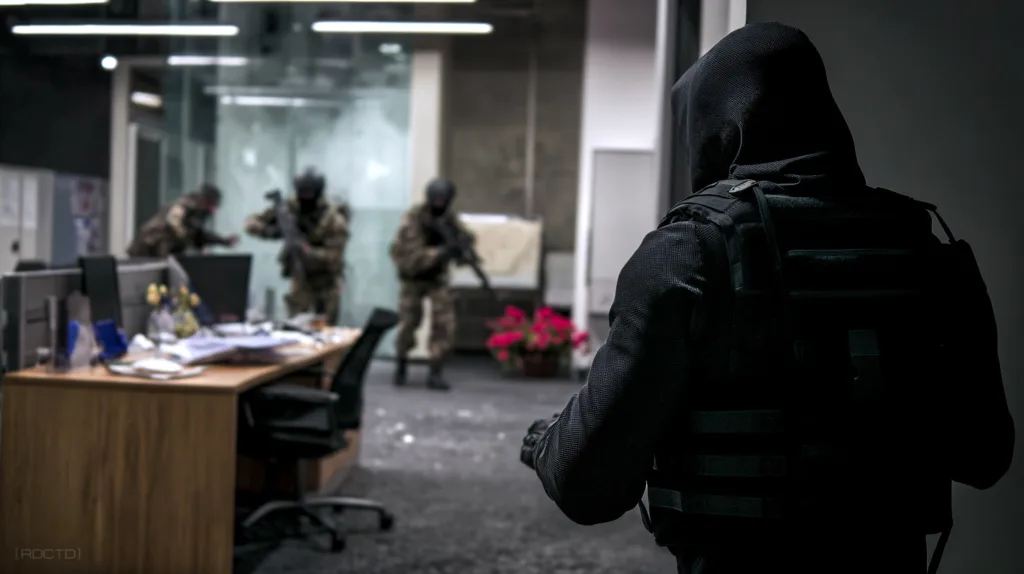
When you enter a new space or situation, do a fast orientation pass. Pick a few stable reference points that help you re-center if your attention gets pulled.
In daily life, this can be as basic as noticing your exits, where the staff is, where the bottlenecks are, and where you could step aside to think. In work settings, it can be recognizing who actually controls the meeting, what the real agenda is, and where decisions are being made.
This matters because surprise makes people visibly disoriented. If you can re-orient instantly, you look calm, and you buy yourself time. Time is always a resource.
That time margin is leverage, not comfort. It lets you run a quick internal reset, spot the lowest-risk adjustment, and choose a move that preserves options instead of burning them. Calm also suppresses obvious tells (rushed speech, scanning eyes, stiff posture) so you stay unreadable while you regain control of tempo.
Build Options in Layers, Not in Fantasies
Good options are not daydreams. They are actionable sequences tied to the current environment. A practical approach is to maintain three categories of moves:
A primary move is your default lane. It is the action that keeps you moving toward the objective without drawing extra attention or creating new problems. You commit to it first because it is usually the cleanest path, and it preserves momentum while you keep reading the environment.
A secondary move is your forward backup. It keeps progress alive if your first lane slows, gets blocked, or becomes inefficient. It is not a dramatic change. It is a practical adjustment that lets you continue operating without freezing or wasting time trying to “fix” the original plan.
A pivot is your controlled break. It is the move you use when the situation turns against you and staying the course becomes costly. The goal is to change direction smoothly, with a plausible reason, so you regain initiative without looking reactive or forced.
This triad prevents the common failure mode where someone commits emotionally to one plan, then collapses when it stops working. You do not need to be dramatic. You need to be prepared to shift without hesitation.
Use a Short Feasibility Check Before You Commit
Option generation is only half the skill. The other half is filtering. A simple, repeatable check keeps you from selecting moves that create unnecessary exposure or long-term problems.
Run a fast internal scan on three points:
Fit: Does this move support the actual objective, or is it ego and impulse? A good option advances the mission with minimal friction, even if it isn’t emotionally satisfying. If you can’t state in one sentence how it moves you closer to the outcome, it’s probably noise. Watch for “status moves” that feel strong but don’t improve position.
Exposure: Does this create attention, conflict, or consequences that I can’t control later? Exposure isn’t just getting noticed now, it’s leaving a trail that can be exploited later. Favor options that keep you low-profile and reversible, with minimal public footprint. If it escalates emotion, invites scrutiny, or forces you into explanations, the cost usually outweighs the gain.
Time: Can I execute it inside the window I actually have? Time is the silent constraint that turns “good ideas” into failures. If you can’t complete it cleanly before the situation shifts, it’s not viable, but a liability. Prefer smaller, faster moves that preserve the ability to adjust as new information arrives.
If the move fails any one category, drop it. Don’t negotiate with bad options. That is how people talk themselves into mistakes.
Think in Short Windows: The Next Minute, Then The Next Five
A strong way to keep options flowing is to operate in short time horizons.
Ask yourself, “What’s my best move in the next 60–90 seconds?” Then ask, “If this continues for five minutes, what changes?” This prevents you from becoming rigid. It also prevents you from over-investing in long projections when the near-term is still unstable.
Make it even tighter by thinking in seconds, not just minutes. Ask, “What can I do in the next 10–20 seconds that improves my position without committing me?” That might be a micro-shift in posture, pace, or phrasing that buys clarity and keeps exits open. These small, reversible moves compound fast, and they prevent you from handing control to the moment while you wait for perfect information.
You’re not trying to engineer a perfect outcome, but trying to keep your path adjustable. Small, reversible actions are often the highest-quality moves under uncertainty.
Train “Affordance Vision”: See What Things Can do
Environments are full of features that offer value, but most people only see them as scenery. Adaptive Option Generation requires learning to view surroundings in terms of function.
A doorway is not just a doorway. It is a boundary, a pause point, a reset location, a visibility change.
A crowd is not just a crowd. It’s tempo, cover for movement, and noise that can mask small adjustments.
A calendar is not just a schedule. It’s leverage for timing, delays, and sequencing.
When you build this “what can this give me” mindset, options appear without strain. This is how experienced operators look creative under pressure. They’re not improvising from nothing – they’re reading utility in real time.
Keep a Few “Rapid Prompts” Ready When Your Mind Narrows
Under stress, you won’t invent clever questions. You will revert to habit. So build a small set of prompts that forces option generation even when your emotions want to tunnel.
Examples:
If I needed to reduce friction right now, what would I say or do?
If I needed a clean exit from this conversation, what would it look like?
If I needed a pause without looking weak, what would I use?
If I needed to keep this relationship intact while saying no, how would I frame it?
These prompts are not scripts. They’re triggers that restart your option loop when you feel yourself locking up.
Preload Playbooks For Common Settings
You don’t want to invent everything on the spot. Build small “default playbooks” for environments you frequently enter: meetings, airports, client calls, negotiations, public spaces, social events, high-stress family situations.
Each playbook is simply a set of a few likely patterns and a few safe responses.
Build them around triggers, not scripts. A playbook should tell you what to do when a familiar pattern appears (an unexpected question, a delay, a hostile tone shift, a blocked route, a sudden time squeeze) so you can respond without burning bandwidth. Keep each playbook lean: one clean continuation, one low-friction adjustment, and one graceful exit that preserves relationships and future access.
Then revise it the same way you would update field notes: after each exposure to that environment, capture what worked, what created attention, and what you will do differently next time.
This reduces cognitive load and gives you a starting position. From there, you adapt. That’s the point. You want a reliable baseline that still allows flexibility.
Decision Control: Act Before Analysis Becomes a Trap
A Simple Training Routine You Can Run Anywhere
Practice can be low-profile. During a walk, in a mall, in a lobby, or on a commute, force yourself to generate three plausible next moves every ten seconds, then select one and execute it. Keep it benign.
The point is building speed and comfort with switching.
You can also do “sensory tagging.” In five seconds, identify a handful of usable features – exits, bottlenecks, quiet corners, visibility angles, and timing cues. Over time, you’ll notice your brain stops working so hard. It starts seeing options automatically.
Add short premortems. Ask, “What’s the most likely way I lose flexibility in the next few minutes?” Then generate counter-actions. This builds the habit of preventing failure before it arrives.
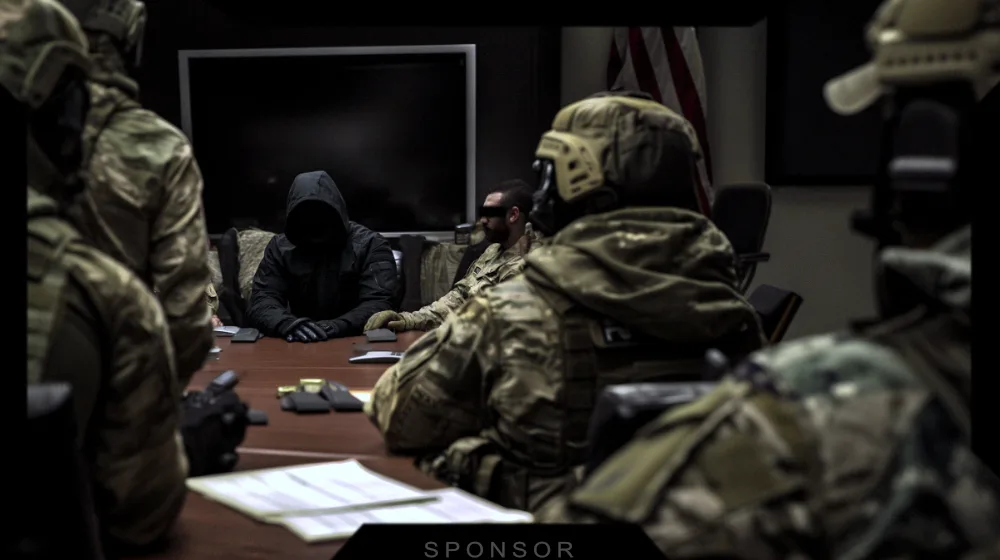
Adaptive Option Generation is a behavior of strategy. It turns your environment into a source of choices instead of a source of pressure. When you train it, you stop depending on the plan surviving intact. You depend on your ability to keep options alive and select clean moves as conditions change.
That’s how you stay effective when other people stall. They look for certainty. You build maneuver space.
[INTEL : Combat Situation Awareness]