
Security While Living Alone Like an Operative
Security while living alone is adopting a mindset of awareness, unpredictability, and layered defense, ensuring you’re always one step ahead of potential threats.
Living alone brings a unique sense of freedom, but it also comes with its own set of risks. Whether you’re in an urban apartment or a remote cabin, your safety depends less on gadgets or fortifications and more on the mindset you adopt.
Security, especially when living solo, is a matter of layered thinking and smart habits – what operatives often call situational awareness and defensive posture.
Understanding the Threat Landscape
The first concept to internalize is recognizing the environment you’re in. Every neighborhood, building, or remote location has its own risk profile. A quiet suburban street might seem safer than a downtown loft, but assumptions like that lead to complacency. Just like an operative in the field, it’s critical to gather intel: What’s the crime rate in your area? Are there reports of break-ins, vandalism, or trespassing? Does the design of your home invite opportunity – poor lighting, easy access points, or predictable routines?
Understanding this broader context sets the foundation for smart security measures. Your job isn’t to become paranoid, but rather to become informed. Think of it as reading the terrain. The more you understand your surroundings, the better you can anticipate and prevent threats.
Layers of Security: A Strategic Mindset
An operative never relies on a single line of defense; instead, they implement security in layers, each one designed to delay, deter, and detect an intruder before they can do real damage. When living alone, the concept of layered security can be applied both mentally and physically.
Psychological Deterrence
Before an intruder ever approaches your door, they’ve likely scoped out potential targets. Making your home appear more fortified than it is, or simply unpredictable, can be enough to make them pass you over. The theory here is simple: criminals prefer easy prey. Just like an operative might use misdirection or camouflage in the field, you can use small, visible cues to make your home seem like a tougher nut to crack. Security signs, motion-activated lights, or even the illusion of occupancy (like leaving a radio on) can create doubt in a potential intruder’s mind.
Defensive Posture: Know Your Strong Points
From a theoretical perspective, you should think of your home like a fortress. Every entry point -doors, windows, even the garage – is a potential vulnerability. But you don’t just patch up these weak spots and hope for the best; you adopt a mindset where you’re constantly assessing how someone might exploit your layout. How quickly could someone breach this window? How easy is it to slip through the side gate? Once you start thinking about these points like an operative planning a raid, you’re more aware of how to defend them.
Think about bottlenecks too. Just like in tactical planning, you can use narrow points of entry to your advantage. If someone tries to come through the front door, for instance, it’s easier to control that space than if they were to come in through a dozen scattered windows. Fortify the key areas, and understand how to use the space to your advantage.
Patterns of Life: The Role of Predictability
A key weakness in most people’s security posture is the predictability of their daily routines. When living alone, you might think your privacy means no one is watching, but the truth is, anyone interested in you as a target could be tracking your movements long before they make a move. In the tradecraft world, this is referred to as observing a “pattern of life.”
You might not have anyone actively surveilling you, but that doesn’t mean your routine isn’t apparent. If you leave for work at 8 AM every day, walk the dog at 6 PM, and go to bed at 10 PM, you’ve created a predictable rhythm. This consistency makes it easy for someone to time their approach. The concept here is to disrupt predictability. Don’t stick to rigid routines. Vary your patterns. Leave at odd hours occasionally, and make sure there’s no set rhythm to when lights or devices are on or off. In short, don’t make yourself a target by being too easy to figure out.
Internal Security: Trust but Verify
Living alone, you are your own backup. In the field, operatives often operate on the concept of trust but verify. This means assuming everything is compromised until you’ve personally confirmed it’s not. For your home, that means regular checks of your security measures – locks, alarms, windows, etc. Don’t assume because you locked up yesterday that everything is still secure today. People get sloppy over time; the discipline to recheck these things is what separates someone who’s prepared from someone who’s vulnerable.
And, just like an operative never lets anyone enter their safehouse without clearance, you should be cautious about who knows the details of your home life. Sharing too much information – whether it’s on social media or casually in conversation – can give away more than you think. You never know who’s listening or how they’ll use that information.
Psychological Resilience: Confidence Under Pressure
Finally, let’s talk about the mental aspect of security. Living alone can sometimes feel isolating or lead to heightened anxiety about potential threats. One concept that applies well from the world of covert operations is maintaining confidence under pressure. You don’t want to live in fear of every bump in the night, but you should cultivate a mindset where, if something goes wrong, you’re ready to respond quickly and decisively.
Mental preparation plays a huge role here. Just as operatives run through scenarios in their head before embarking on a mission, you can think through potential situations – what would you do if you heard glass breaking? What’s the plan if someone attempts a forced entry? Having these contingencies mapped out in your mind ensures you won’t be paralyzed if a real threat materializes.
Security as a Way of Thinking
Living alone doesn’t mean living in fear, but it does require a heightened sense of responsibility. True security isn’t just about locks or alarms; it’s about adopting a mindset of preparedness, unpredictability, and constant evaluation. By understanding the terrain – both physical and psychological – you position yourself as a harder target, just like an operative ensures they’re one step ahead of the game. At the end of the day, it’s not just the tools you use but how you think that keeps you secure.
Ultimately, true security comes from thinking ahead, staying aware of your environment, and consistently reinforcing both your physical and mental defenses.
[INTEL : Strategic ‘Personal Space’ Security]
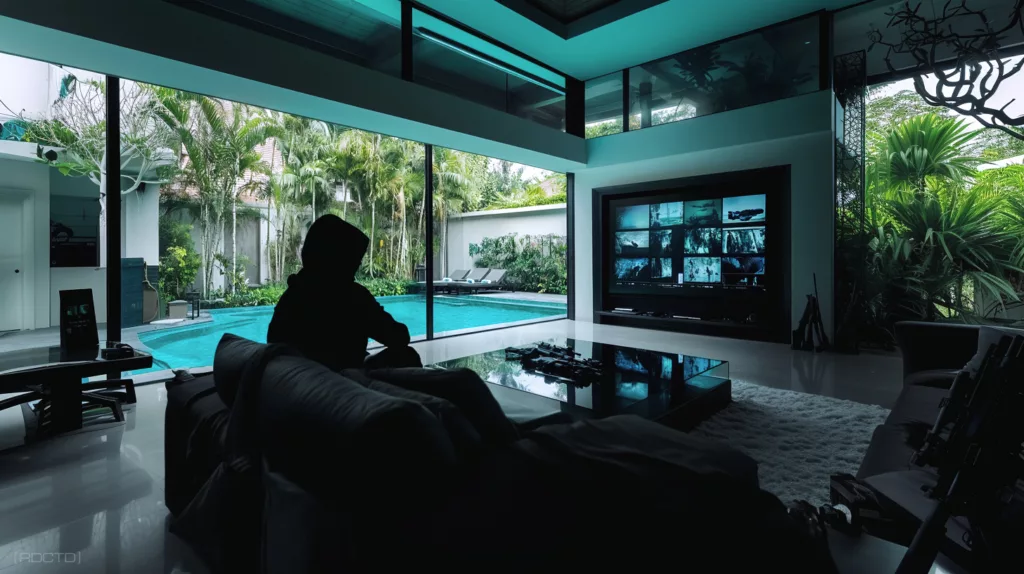
[OPTICS : Bali, Indonesia]