Adaptive Exfil Rotation: Shift, Move, Disappear
The escape/evasion tradecraft of shifting between hard, soft, and ghost exit tactics stay ahead of collapse and vanish clean when the plan burns.
You don’t escape by running faster, you escape by changing shape. Exfil’s not a finish line, it’s a shifting disguise.
When things go sideways in the field, your exfil plan has to flex. This is where Adaptive Exfil Rotation comes in. It’s not just a Plan A, B, and C. It’s about understanding that exfiltration isn’t a single road you sprint down. It’s three categories of movement, and you shift between them depending on how bad the fire’s getting.
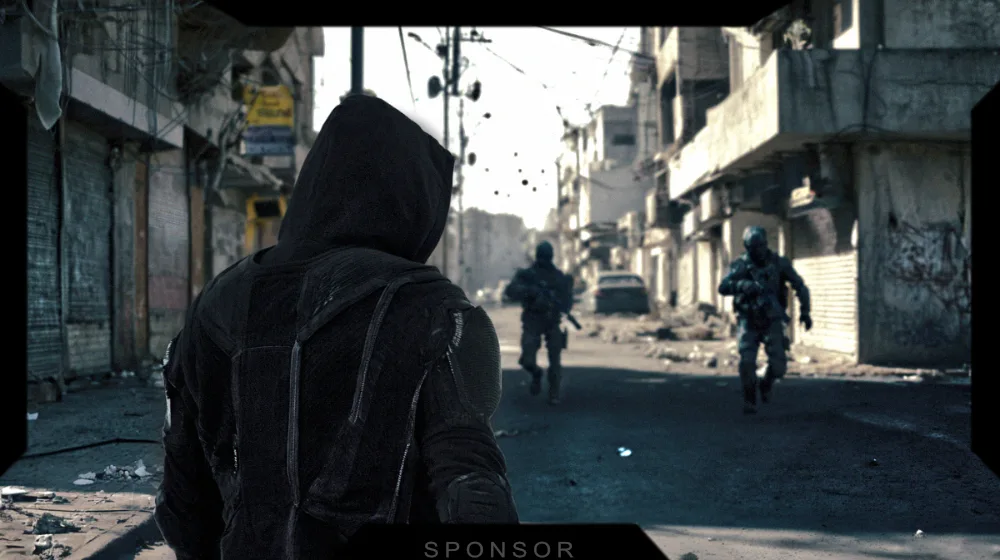
Most operatives are taught to build exfil plans like they’re building a bridge; structured, linear, and precise. That works great in training or when the op goes smooth, but out in the field? Bridges collapse. Intel shifts. Timelines shatter. What you need isn’t a rigid escape plan, it’s a dynamic system that adapts as fast as the threat.
Adaptive Exfil Rotation flips the script: it classifies escape into three fluid categories (hard, soft, and ghost) and teaches you to move between them without hesitation.
The end purpose isn’t which door you use to leave, it’s dynamically knowing when that door just locked and how to find the next one without breaking stride.
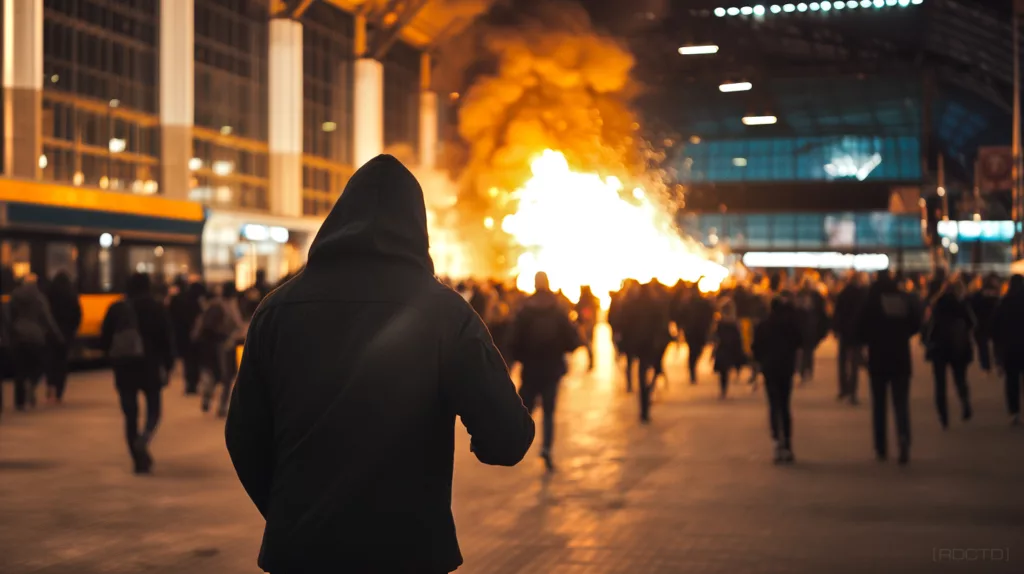
Hard Exit
– The Clockwork Escape
This is your first play. Pre-arranged wheels. A scheduled ride. A border crossing you’ve greased with paperwork and small favors. Think motorcade, safehouse-to-airfield, embassy gates; tight, rehearsed, and monitored. Tradecraft here is all about prep. You’ve got assets aligned, tech in play, comms clean.
But hard exits are brittle. Once you’re compromised, that Uber you booked or the blacked-out SUV waiting behind a hotel? They’re magnets for eyes and intercepts. If comms go dark or surveillance flares up, hard exit turns into hard target. That’s when you rotate.
• Pre-Arranged Transport: Vehicles staged in low-profile zones with backup drivers on standby.
• Credentialed Movement: Papered identities, diplomatic covers, or business fronts pre-cleared for rapid cross-border movement.
• Layered Timing: Timetables aligned with local patterns; rush hour, shift changes, or regional events, to blend motion into the noise.
Hard exits are your clean break, high confidence, high control. They work best when you’ve prepped the chessboard days or weeks in advance: exit nodes confirmed, handlers on comms, and any obstacles pre-cleared or bought off. But they come with a price, structure. And structure breaks under pressure.
The moment you lose tempo; missed signal, surveillance pick-up, a checkpoint that wasn’t there yesterday, you’re now exposed and dependent on something you can’t flex. When that clockwork skips a beat, you better pivot before it breaks your neck.

Soft Exit
– The Local Fade
You move into a softer footprint. Disappear into the rhythm of the streets. Pedestrian traffic, side alleys, bus stations, rides hitched through friendlies who don’t ask questions. You leverage familiarity with the local terrain, the subtext of the city. No tech reliance, just instincts and a bit of urban camouflage.
Here, tradecraft is personal. Language, culture, demeanor. You need to belong or at least not stand out. A well-timed jacket swap, a local SIM, a café pitstop to reshuffle your profile. You’re not running, you’re flowing.
This mode buys you time and flexibility, but it’s fragile if your face is “hot” or they’re actively triangulating your last known. That’s when you go ghost.
• Civilian Cover: Blend into pedestrian flow; markets, transit hubs, or religious gatherings. Places where everyone looks like no one.
• Trusted Friendlies: Locals, low-level assets, or safehouse contacts who can provide shelter, clothes, or a quiet ride out.
• Route Improvisation: Unmapped paths, back alleys, underground corridors, and informal transit that don’t show up on satellite.
Soft exit is where your fieldcraft gets tested. You’re not ghosting yet, but you’re definitely not operating clean. This is where you drop the formalities. No exfil team, no extraction window, just you and your ability to read terrain and disappear into the texture of the city. You lean on relationships, instincts, and whatever local knowledge you’ve banked.
The risk here isn’t a hard stop. It’s slow bleed: a tail you didn’t shake, a camera you missed, or someone who remembers your face. Still, for an operative who knows how to read a city’s pulse, soft exit is the most flexible tool in the kit.

Ghost Exit
– The Vanish
When every asset’s burned and surveillance is hunting, you sever ties to everything. Ditch the tech. Dump the gear. Erase your trail with intent. The goal here isn’t movement, it’s disappearance. No ride. No route. Just noise and anonymity.
You dive into the chaos of the city; markets, underground networks, transit chokepoints. You’re a shadow with no name, no signal, no trail. The real art here? Making it look like you were never there in the first place. You’re not escaping, they can’t find anything to chase.
• Zero Digital Signature: Burn all comms (phones, trackers, beacons) anything that pings or bleeds metadata.
• Identity Wipe: Ditch clothing, ditch the look, ditch the name. Become someone who never existed.
• Urban Camouflage: Use chaos (crowds, festivals, subways, slums) to blur your movement into white noise.
Ghost exit is pure survival, last-resort, no-support, total disconnect. You’re not exfiltrating so much as dissolving. The goal isn’t escape, it’s erasure. No trace, no target, no pattern to follow.
You move like vapor. Changing shape, bleeding into the city, leveraging anonymity as your last layer of defense. Tradecraft here is raw: you’ve got to think like prey, act like fog, and vanish before they even realize you slipped the leash.

For Civilian Use
You don’t need to be an operative to use this skillset, civilians face situations every day where flexibility under pressure matters. Think street criminals, natural disasters, civil unrest, stalkers, corrupt law enforcement, or even just a night out that suddenly turns hostile.

Know When to Shift
The key to Adaptive Exfil Rotation isn’t just having options. It’s reading the environment fast and knowing when to pivot. You don’t wait for a hard exit to collapse. You read the signs; timing off, surveillance spike, routes get dirty, and shift before the trap shuts.
Good operatives prep all three categories in every op. Great ones know how to switch on instinct. Escape isn’t a route. It’s a mindset, a set of gears you downshift through when the heat’s coming. Tradecraft is knowing which category to run, and when to ghost before they even know you’re gone.
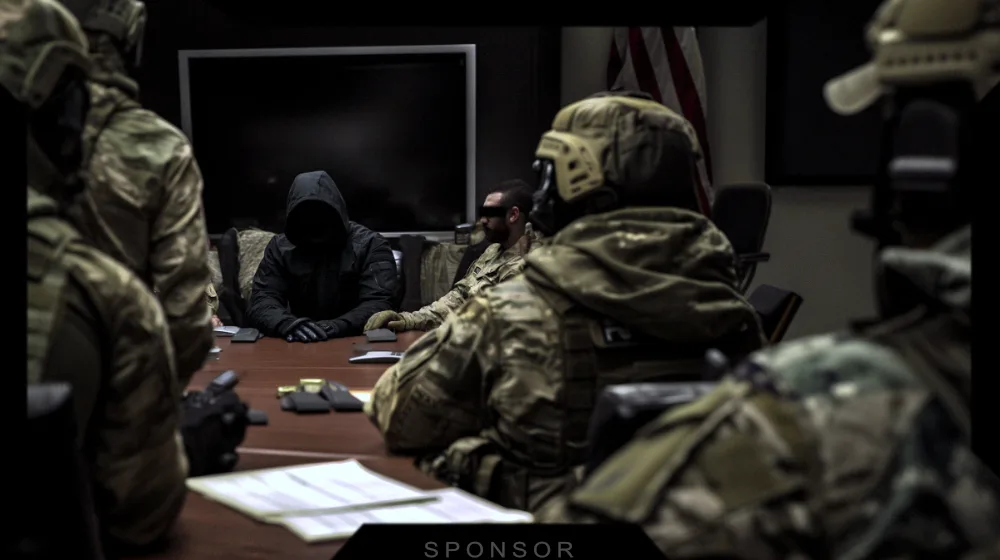
Adaptive exfil isn’t a focus on speed, it’s a strategy of timing, discretion, and control of perception. When you own the transition between visibility and absence, you control the battlefield, even in retreat.
[INTEL : Identifying Escape Routes Anywhere]