Having a Tactical Perspective of Your Neighborhood
A covert operative doesn’t just walk through a neighborhood – they analyze it, own it, and use it to their advantage. So should you.
Whether you’re an operative working in a hostile environment or just someone who values security, understanding the terrain around you is key to staying ahead of potential threats.
The average person see’s their neighborhood as just a place to live, but an operative – or anyone who values security – sees it as terrain to be understood and controlled. Every street, alley, and building can either work for you or against you, depending on how well you know them. Whether you’re avoiding threats, detecting surveillance, or simply ensuring a quick escape route, knowing the lay of the land and the habits of those around you gives you an edge.
Know the Terrain Like the Back of Your Hand
Understanding your neighborhood’s layout requires knowing street names and reading the environment like an operative. Every urban or suburban area has its own tactical advantages and vulnerabilities, and the more you familiarize yourself with them, the better prepared you’ll be in any situation.
Primary and Secondary Escape Routes
If something goes wrong, you need to know how to disappear fast. Your primary escape route should be the most direct and efficient way out of your neighborhood, whether by vehicle or on foot. But if that route is blocked – by traffic, law enforcement, or an unknown threat – you need alternatives. Think beyond main roads. Are there side streets, alleyways, or footpaths that lead to a safe exit? Can you cut through a park or a shopping center unnoticed? In an emergency, hesitation costs time, and time can cost lives.
Choke Points and Bottlenecks
Choke points are areas where movement is restricted, forcing people into a confined space. Bridges, tunnels, narrow streets, and even certain intersections can become traps if you’re being followed or need to escape. Identify these in advance and have a plan for avoiding or maneuvering through them under pressure. If you’re in a vehicle, think about traffic flow, where are the usual congestion points? If you’re on foot, know which areas have dead ends or limited exits.
Observation Points and Dead Zones
Certain locations in your neighborhood provide natural vantage points where you can observe activity without being seen. High ground, parking garages, balconies, and certain storefronts offer good lines of sight. These are useful for keeping tabs on your surroundings or detecting potential surveillance. Conversely, dead zones – areas with no visibility, poor lighting, or limited exit options – should be avoided unless you have no other choice. Walk your neighborhood at different times of the day and night to spot areas where visibility changes due to lighting or crowd patterns.
Cover, Concealment, and Movement
If you ever need to move undetected, you should know where you can find cover (protection from gunfire or physical threats) and concealment (places to stay out of sight). Parked cars, dumpsters, doorways, and dense foliage can work to your advantage. If you’re being followed, knowing these elements lets you break line of sight, forcing someone tailing you to either expose themselves or lose track of you.
Landmarks and Navigational Aids
A good operative never relies solely on GPS. If you lose access to technology, can you navigate your neighborhood by memory? Identify key landmarks – distinctive buildings, graffiti markings, signage, or natural features – to orient yourself quickly. Train yourself to move without looking lost, even in unfamiliar areas. Confidence in navigation makes you a harder target.
Terrain Mapping in Your Mind
The best way to internalize your neighborhood’s layout is to walk it regularly, taking different routes and noting details. If possible, get an aerial view using Google Earth or a drone to study the layout from above. This helps you visualize movement patterns and blind spots. If you know your surroundings better than anyone else, you have a tactical advantage – one that could make all the difference when things go sideways.
Understand the People Around You
Your neighborhood is filled with streets and buildings as a living, breathing environment shaped by the people in it. Situational awareness is key in watching for potential threats, while just as useful understanding the rhythms of daily life so you can quickly spot anything out of place. The more you know about the people who live, work, and move through your area, the better you can assess risks and make informed decisions.
Pattern of Life: What’s Normal?
Every neighborhood has a pattern – a daily flow of people, vehicles, and routines. Pay attention to:
• Regular Foot Traffic: Who usually walks through your area? Are there joggers in the morning? Kids coming home from school at a certain time?
• Typical Vehicles: Which cars are parked overnight? Which ones come and go regularly?
• Business Hours & Activity: When do local shops open and close? Are there security measures in place, like cameras or guards?
Knowing the normal rhythm of your neighborhood helps you instantly recognize when something is off.
Spotting Anomalies
Once you’ve established a baseline, anything outside of that pattern becomes a potential red flag. Some signs that something’s not right:
• Unfamiliar Faces Loitering: If someone is hanging around with no clear purpose, it’s worth noting.
• Vehicles That Don’t Belong: A car parked for hours in an unusual spot, or one that appears multiple times throughout the day without reason, could be conducting surveillance.
• Changes in Behavior: A usually quiet block suddenly has groups hanging around at odd hours? That could indicate a growing criminal presence.
Community Strength: Friend or Foe?
Not everyone around you is a potential threat, some can be valuable assets. A connected and aware community naturally strengthens security. Here’s how to assess the people around you:
• Neighbors Who Pay Attention: People who notice changes in the neighborhood and communicate with others make for a strong security network. If you build good relationships, they’ll watch your back when you’re not around.
• Who Stands Out?: Every neighborhood has certain figures who are more aware than others – shop owners, maintenance workers, or longtime residents. They can provide valuable insights into who’s new, who’s been asking questions, and whether any unusual activity has been noticed.
• Criminal Elements: Be aware of local troublemakers, gang activity, or recent crimes. Even if you’re not the target, crime nearby increases your overall risk.

Surveillance Detection Basics
Whether you’re in a hostile environment or just navigating your daily routine, knowing how to detect surveillance is a critical skill. Criminals, private investigators, and even intelligence operatives all use some form of surveillance to track targets. The key to staying ahead is recognizing when you’re being watched before it’s too late. Here’s how to sharpen your tradecraft and spot surveillance early.
Types of Surveillance
Before diving into detection, it’s important to understand the different types of surveillance that might be used against you:
• Static Surveillance: Operatives or criminals park in a fixed position – inside a vehicle, at a coffee shop, or near your residence – to monitor your movements.
• Mobile Surveillance: A team or individual follows you on foot or in a vehicle, maintaining a discreet distance while keeping you within sight.
• Technical Surveillance: Hidden cameras, GPS trackers, drones, or phone monitoring can be used to collect information without a physical presence.
• Mixed Surveillance; The most effective method, combining elements of all the above, often using a team to reduce suspicion and avoid detection.
How to Spot Surveillance
A skilled surveillance team won’t make it obvious, but they’re human, and humans make mistakes. Here’s what to watch for:
• Repetitive Sightings: If you see the same person, vehicle, or unusual object (like a parked van) multiple times in different locations, take note. Once is chance, twice is coincidence, three times is surveillance.
• Mirroring Movements: If someone appears behind you on multiple turns or shows up wherever you go, they might be following you. Change direction abruptly or use reflective surfaces like windows to check for tails.
• The Lookaway: If someone quickly diverts their eyes or pretends to be occupied when you notice them, that’s a red flag. Most casual pedestrians don’t act guilty when they make eye contact.
• Lingering Too Long: Someone loitering without a clear purpose – especially in a parked car with no phone in hand – might be conducting surveillance. Watch for people who stick around but don’t seem engaged in anything.
• Timed Movements: If a vehicle or person moves shortly after you do, especially more than once, you might have a tail. Take an unexpected detour and see if they adjust.
Counter-Surveillance Techniques
If you suspect you’re under surveillance, don’t panic, verify first. Reacting too soon or too aggressively can tip off your pursuers. Here’s how to confirm and shake them off:
• Route Variations: Take different paths to common destinations. Surveillance teams rely on your predictability.
• Stop and Observe: Suddenly stop walking or pull over to the side of the road and see who reacts. A tail will often hesitate or scramble to adjust.
• Double Back: If on foot, turn around and retrace your steps. If someone behind you does the same, they’re likely following you.
• Cover for the Unexpected: Use crowded areas, sudden turns, or enter a store with multiple exits to lose anyone tracking you.
• Check for Technical Surveillance: Regularly inspect your vehicle for GPS trackers, be aware of unusual electronic interference, and avoid discussing sensitive matters near unsecured devices.
Hardening Your Home Base
Your home should be your stronghold, a place to relax, sleep and stay safe. Whether you’re in a quiet suburb or an urban jungle, the key to home security is layered defense. The harder you make it for someone to breach your space, the less likely they are to try. Criminals, intruders, and even trained adversaries look for soft targets. Don’t be one.
Reinforce Entry Points
Most break-ins and forced entries happen through doors and windows. These are your first lines of defense, so strengthen them:
• Doors: A solid-core or metal door with a high-quality deadbolt is a must. Reinforce the door frame with a strike plate and long screws to prevent a quick kick-in. Consider a security bar or door brace for an added layer of protection.
• Windows: Burglars prefer windows because they’re easier to breach. Install shatter-resistant film or polycarbonate panels to make breaking through much harder. Window locks should be upgraded beyond the flimsy factory versions.
• Garage: Often overlooked, but a major weak spot. Keep your garage door locked, reinforce the interior door leading to your home, and disable the emergency release cord when away for long periods.
Improve Surveillance & Lighting
If an adversary doesn’t want to be seen, make sure they are. Visibility is one of the best deterrents:
• Security Cameras: Install cameras at key points – entryways, blind spots, and high-traffic areas. Choose models with night vision and remote access, so you can monitor your home from anywhere.
• Motion-Activated Lighting: Criminals hate light. Motion-activated lights around entry points, pathways, and dark corners can spook anyone looking for an easy target.
• Doorbell Cameras: These give you real-time eyes on who’s approaching your home, whether you’re inside or halfway across the world.
Control Access & Limit Exposure
An operative never lets unnecessary people get too close to their personal space. The same applies to your home.
• Fences & Barriers: A solid fence isn’t just for privacy – it slows down intruders. Make it climb-resistant with anti-grab tops or thorny landscaping near vulnerable areas.
• Smart Locks & Alarms: Ditch the spare key under the mat. Use smart locks with unique codes for family members and trusted individuals. An alarm system, whether monitored or self-managed, adds another layer of deterrence.
• Package Security: Porch pirates aren’t the biggest threat, but they test your home’s vulnerabilities. Use a lockbox, request deliveries at secure locations, or install a camera-monitored drop point.
Build a Community Network
Even the best security system can’t replace human vigilance. A strong neighborhood network increases overall security:
• Get to Know Your Neighbors: You don’t need to be best friends, but a trusted network of people looking out for each other makes any area harder to target.
• Share Security Alerts: If you see suspicious activity, let your neighbors know. Use community apps, group chats, or good old-fashioned word of mouth.
• Work Together on Improvements: Better lighting, neighborhood watch programs, and reporting maintenance issues (like broken streetlights) all contribute to a more secure environment.
Have an Emergency Plan
A stronghold isn’t just about keeping threats out, it’s also about knowing what to do if one gets in.
• Safe Room: Identify a secure location in your home with reinforced walls, a solid locking door, and emergency supplies.
• Exit Strategy: If you had to leave your home in an emergency, do you have multiple exit routes? Practice different escape scenarios, including evacuating in the dark or under pressure.
Train Like You Operate
All of this knowledge is useless if you don’t practice using it. Take different routes home. Walk your neighborhood at different times of day. Try spotting surveillance, even when none exists, just to stay sharp. If you carry a weapon or self-defense tool, train with it under stress – because when adrenaline hits, fine motor skills go out the window. Run through home defense drills with your family, so everyone knows their role if something goes wrong.
Mental preparation is just as important – visualize scenarios, plan responses, and develop the habit of staying aware without being paranoid. A tactical mindset isn’t something you turn on when danger appears; it’s a muscle you build daily. Stay sharp, stay unpredictable, and make yourself a hard target.
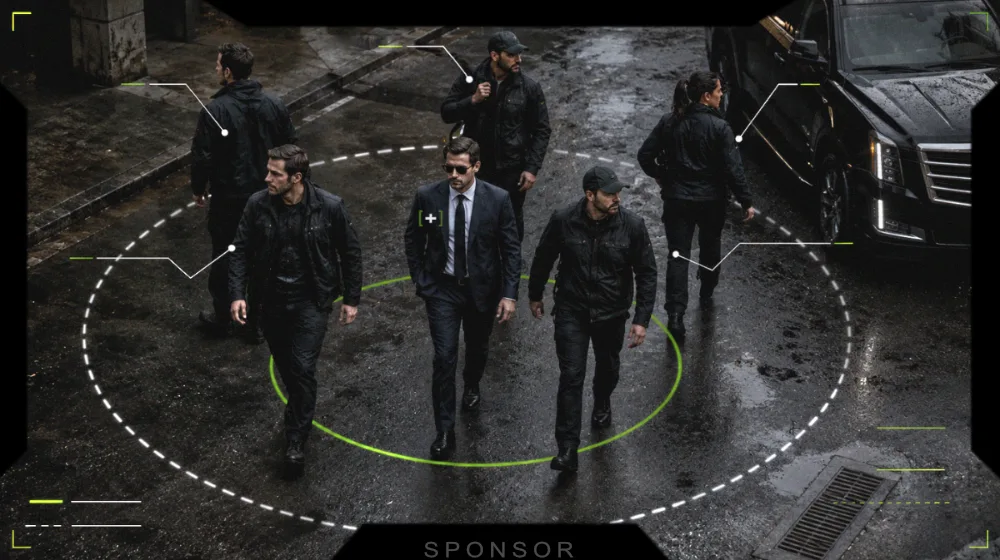
A tactical perspective is strategic control of your surroundings. Whether you’re in a foreign city on a mission or just walking your dog on your street, knowing your surroundings gives you the upper hand.
[INTEL : Home Invasion Defense Tactics]
[OPTICS : Vienna, Austria]