
SWAT Team: Special Weapons and Tactics
Special Weapons and Tactics (SWAT) teams are specialized police units that employ military tactics to respond to high-risk situations.
These highly trained officers are equipped with the latest tactical gear and weapons and use precise strategies to neutralize dangerous threats.
As a covert operative or vigilant citizen, it’s essential to have an understanding of the various security teams and techniques that could be utilized during any given mission or urban outing. Knowing what SWAT stands for and how it works can help you make decisions about when or if specialized security personnel are necessary.
This intel explores the history and present-day use of SWAT teams as well as their purpose in law enforcement operations. We’ll also discuss how they differ from traditional police force units so that you’re prepared to make informed decisions regarding your missions’ safety parameters.
When Was SWAT Created?
The first known SWAT unit was established in Philadelphia, Pennsylvania in 1964 following a series of riots that had broken out in the city. The unit was created to handle these types of crises, but it wasn’t long before other cities began establishing their own teams. Today, there are over 3,000 SWAT teams operating across the United States and even more around the world.
SWAT Team Facts
- The SWAT team is a highly trained and specialized law enforcement unit that is typically used in high-risk situations, such as hostage situations, active shooter situations, and drug raids.
- SWAT teams are typically composed of officers with military or law enforcement experience who undergo extensive training in firearms, hand-to-hand combat, and tactical operations.
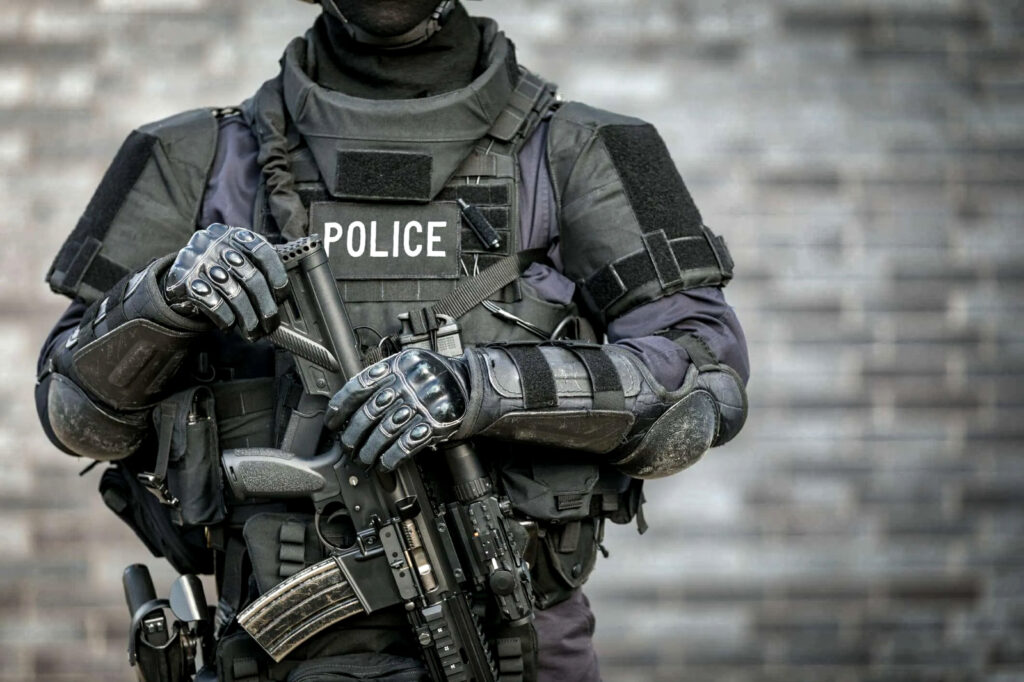
- SWAT teams typically use a variety of specialized equipment, including body armor, night vision goggles, and assault rifles.
- SWAT teams typically use a variety of tactics to safely resolve high-risk situations, including negotiation, distraction devices, and physical force.
- In some cases, SWAT teams may also use less-than-lethal force, such as Tasers or rubber bullets, to subdue suspects.
- In most cases, the decision to deploy a SWAT team is made by a police department’s senior leadership after consulting with other law enforcement agencies and/or mental health professionals.
- Once a decision has been made to deploy a SWAT team, the team’s commander will develop a tactical plan based on the specific situation.
- The tactical plan will be designed to minimize the risk of injury or death to both civilians and law enforcement officers while still achieving the desired outcome of the operation.
- After the tactical plan has been developed, the SWAT team will execute the plan using all available resources.
- Once the operation has been completed, the SWAT team will debrief and review the operation to identify any areas for improvement.
What Are Some Typical Responsibilities of SWAT Teams?
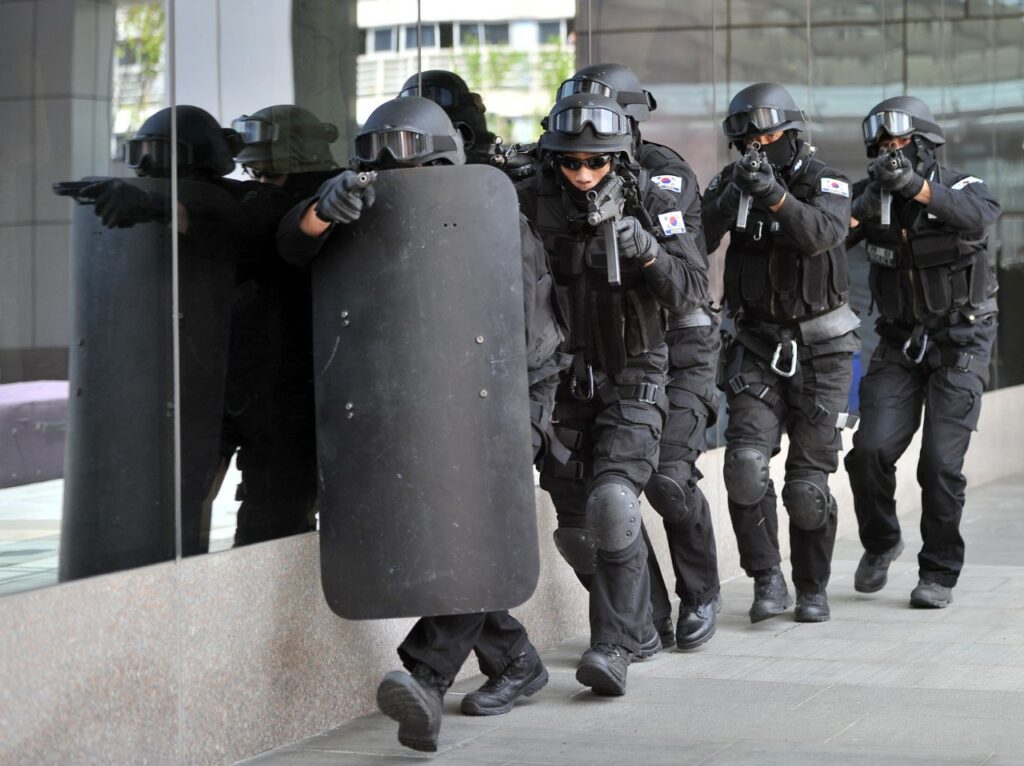
SWAT teams are typically called upon to respond to active shooter incidents, hostage situations, terrorist threats, and large-scale protests or demonstrations. They may also be called upon to execute search warrants or conduct surveillance operations on suspected criminals or terrorists. Additionally, they often provide close protection services for VIPs or public officials who may be targeted by terrorists or criminals.
While not as common as some of their other responsibilities, they may also be called upon to participate in crowd control operations during large-scale public events such as sporting events or political conventions.
How Is a Typical SWAT Operation Executed?
When responding to a crisis situation involving an active shooter or other armed threat, the goal of a typical SWAT operation is to bring about a peaceful resolution with minimal casualties and property damage. To achieve this goal, officers use various tactics such as negotiation techniques, distraction devices (such as flashbangs), chemical agents (such as tear gas), and breaching tools (such as ramming devices).
If all else fails and officers must resort to using deadly force, they do so only after exhausting all non-lethal means of resolving the situation peacefully.
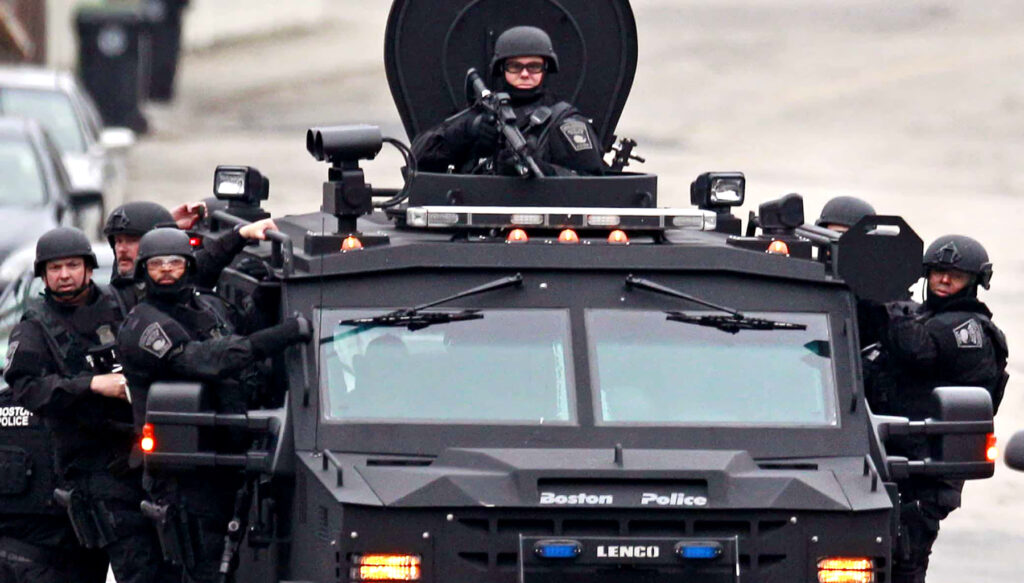
SWAT Team Basic Loadout
Body Armor
A type of personal protective equipment that is worn by law enforcement officers to protect them from ballistic and blunt force injuries. Body armor can be made from a variety of materials, including Kevlar, ceramic, and steel.
Gas Mask
A device that is worn over the mouth and nose to filter out harmful airborne particles. Gas masks are often used by law enforcement officers during riots or other situations where there may be tear gas or other harmful chemicals in the air.
Night Vision Goggles
Devices that allow the user to see in low-light conditions. Night vision goggles amplify available light and project it onto a phosphor screen, which emits light that can be seen by the user. Night vision goggles are often used by law enforcement officers during nighttime operations.
Ballistic Helmet
A type of protective headgear that is worn by military personnel and law enforcement officers during combat or other high-risk activities. These helmets are typically made from Kevlar or other bullet-resistant materials and can provide protection from shrapnel, bullets, and other projectiles.
Handcuffs
Devices that are used to restrain someone’s hands or wrists. Handcuffs are typically made from metal and have two hinged loops that fit over the person’s wrists. Law enforcement officers use handcuffs to restrain suspects who have been arrested.
Flashbang Grenades
Flashbang grenades are non-lethal grenades that produce a loud noise and a bright flash of light. SWAT teams use flashbang grenades to disorient and distract hostile individuals, allowing officers to safely apprehend them.
The Difference From Standard Police Officers
When comparing SWAT to regular cops, one may overlook the differences between them. The officers of SWAT teams are especially highly trained operators, many with military experience, who use specialized equipment to assault secured and fortified targets. These targets can be individuals or multiple armed suspects barricading themselves inside an area that would otherwise put regular cops in extreme danger.
Their expertise and ability to handle these volatile situations make them invaluable allies for police forces in crisis situations. Although the primary difference between SWAT and regular police officers is their special training and ability to handle potentially dangerous scenarios, the relationship between the two groups is essential in order to ensure overall public safety.
Becoming a SWAT Team Member
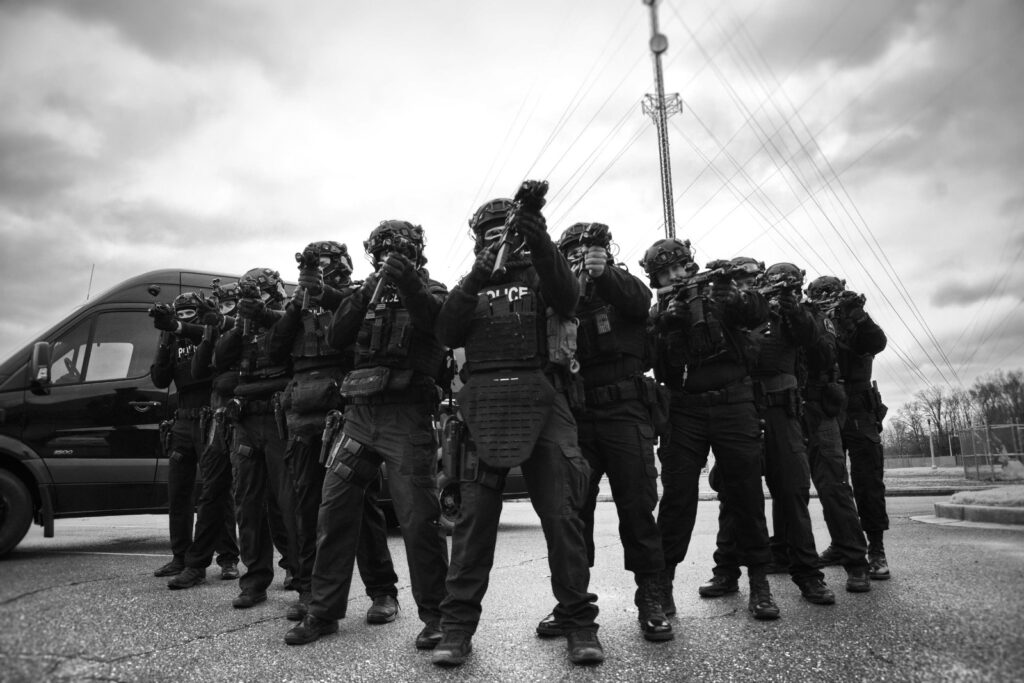
If you’re looking to become a member of a SWAT team, you should consider the rigorous requirements involved. Joining a team like this requires being an exceptional candidate in terms of physical and psychological ability, knowledge, skills and experience. You typically need at least three or four years of full-time law enforcement experience with a police agency before applying to a SWAT team, plus have passed your basic law enforcement certification exam.
Many departments also require officers to successfully complete special training courses in specific areas such as firearms, defensive tactics and hostage negotiation; as well as aptitude tests for personnel who are aiming for an elite position such as that on the SWAT team. It takes commitment, courage and dedication to be part of a great life-saving organization like this.
The SWAT
It’s clear that the role of SWAT in law enforcement is an important one; without them these dangerous situations could easily spiral out of control resulting in catastrophic consequences for everyone involved.
With their specialized training and equipment, these brave men and women are able help keep our communities safe from harm while minimizing casualties whenever possible.